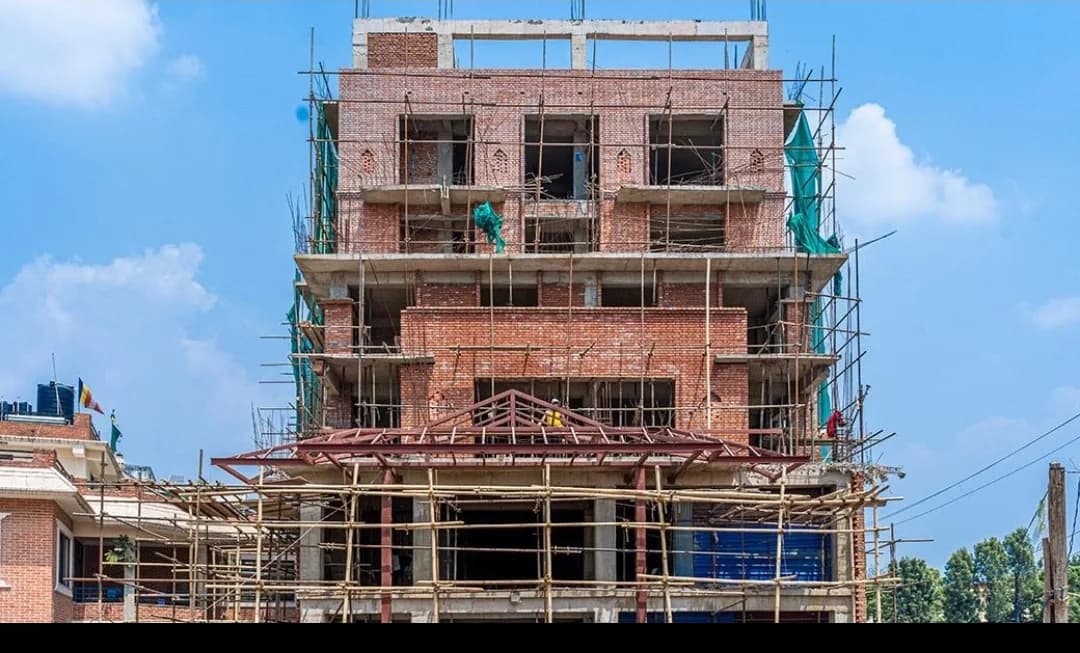
Construction Delays in Nepal: Causes, Impacts, and Possible Solutions Construction Delays in Nepal: Causes, Impacts, and Solutions
Construction is vital to Nepal’s development, but delays often increase costs, reduce quality, and slow progress.
Major Causes of Construction Delays in Nepal
- Weak Project Planning
Incomplete designs, land acquisition, environmental assessments, or approvals can cause delays and design changes.
- Land Acquisition Problems
Disputes over compensation, ownership, and relocation can prevent site access.
- Shortage of Construction Materials
Supply and transportation problems with cement, steel, aggregates, and bitumen can affect schedules, especially in remote areas.
- Government Procedures and Contract Management
Slow approvals, payments, budget releases, contract changes, and poor management can delay projects.
- Poor Contractor Performance
Lack of workers, equipment, financing, experience, or supervision can slow progress.
- Political and Social Factors
Policy changes, strikes, local disputes, and community opposition can interrupt construction.
- Difficult Geography and Weather
Mountainous terrain, landslides, floods, earthquakes, and monsoons can disrupt construction.
Impacts of Construction Delays
Delays increase labor, equipment, material, administrative, and financing costs. They also postpone essential infrastructure such as roads, bridges, hospitals, schools, and water projects.
Long delays can reduce public confidence and economic benefits.
How Can Nepal Reduce Construction Delays?
Nepal can reduce delays through better planning, coordination, and monitoring. Projects should begin after key preparations, including design, land acquisition, budgeting, and approvals.
Contractors should be selected based on capacity, experience, finances, and performance. Digital monitoring, clear contracts, regular reporting, and effective dispute resolution can improve management.
Schedules should also consider monsoons, terrain, transportation, and other local risks.
Conclusion
Construction delays in Nepal are caused by planning, land, administrative, contractor, material, political, and environmental problems.
Better planning, management, monitoring, coordination, and accountability can reduce delays and support Nepal’s development.
